
HydraFacial vs Regular Facial: What's the Real Difference?
 Luxe Studio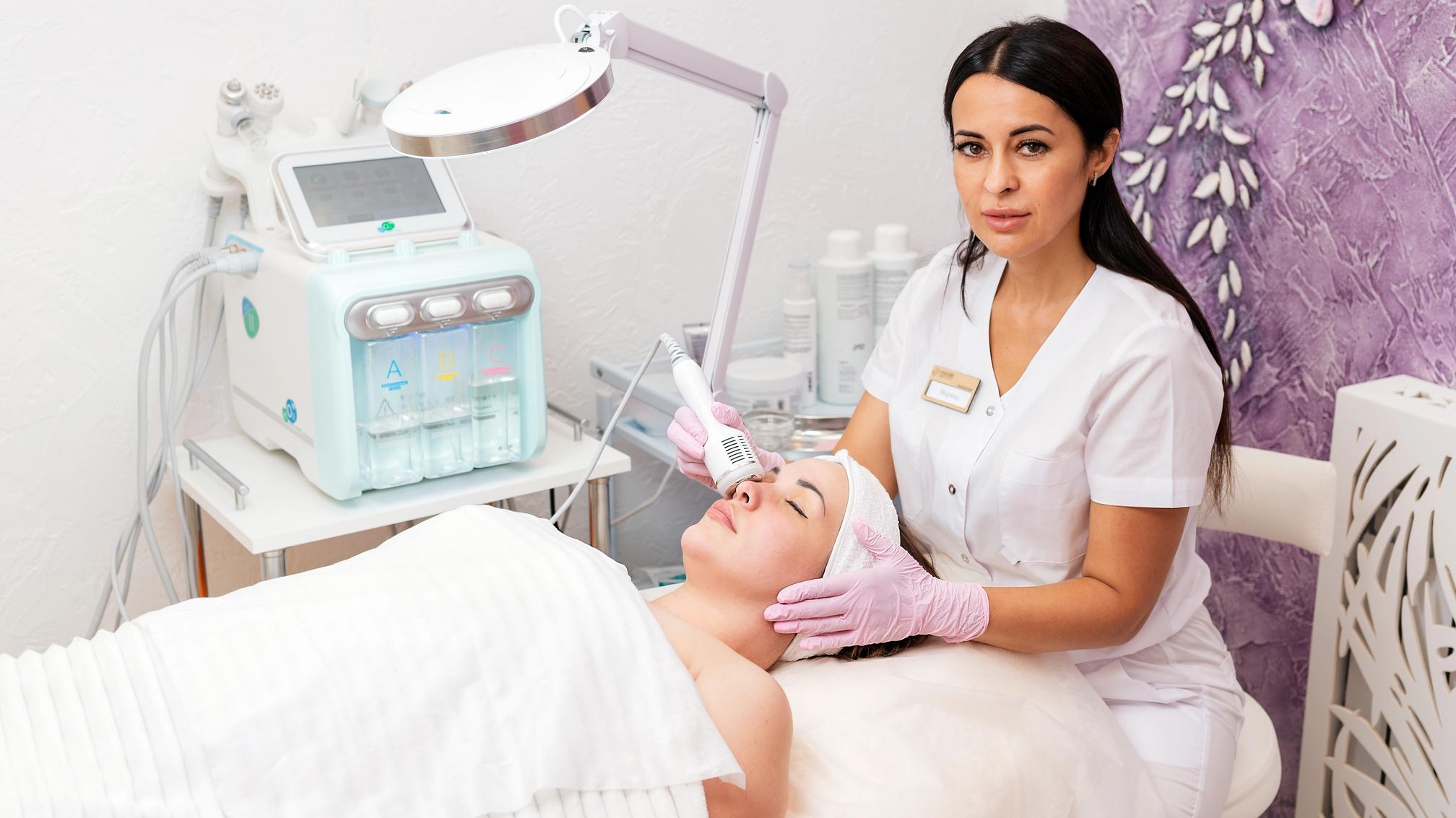
If you've been weighing a HydraFacial vs regular facial, you're not the only one. Skincare has changed a lot, and the treatment menu at most spas now stretches well beyond the classic facial.
That leaves plenty of people in Woodbridge, and across Virginia — wondering which option actually does more for their skin, and whether the newer one is worth the price difference.
Here's the short answer before the details: a regular facial is a hands-on, relaxing treatment that cleans and refreshes the surface of your skin, while a HydraFacial uses a device to cleanse, exfoliate, extract, and hydrate in a single controlled session.
Both have earned their popularity. The better choice comes down to your skin type and what you're trying to fix.
Let's break it down so you can decide with confidence.
—What Is a Regular Facial?
A traditional facial is the treatment most people picture when they think "spa day."
A licensed esthetician works on your skin by hand, and the whole experience is built as much around relaxation as results.
The typical steps
Most regular facials follow a familiar flow: a double cleanse, gentle exfoliation, steam to soften the pores, manual extractions, a facial massage, and a finishing mask with moisturizer and SPF.
The exact products and techniques shift depending on the spa and your skin.
The main benefits
A good facial feels wonderful, and that's not a small thing.
The massage boosts circulation, the steam and cleanse clear away buildup, and you usually walk out with a fresh, temporary glow. For stress relief and general upkeep, it's hard to beat.
Where regular facials fall short
The trade-off is consistency. Results can vary based on the products used and the technician's hands-on technique.
Manual extractions can leave some redness, and a single facial may not fully address deeper concerns like congestion or dehydration.
The improvements tend to be real but short-lived.
—What Is a HydraFacial?
A HydraFacial is a device-based facial treatment that handles cleansing, exfoliation, extraction, and hydration in one session.
Instead of relying entirely on hands and steam, it uses a wand with a vortex tip to lift away debris while pushing nourishing serums into the skin at the same time.
How the technology works
The device works in stages. It first loosens dead skin and oil, then uses gentle suction to draw out the contents of clogged pores, and finally infuses the skin with hydrating and antioxidant serums.
Because the suction does the extraction, there's no pinching or squeezing by hand.
What skin concerns it targets
A HydraFacial is well suited to congested pores, blackheads, dullness, uneven skin texture, dehydrated skin, early fine lines, and mild acne.
It won't replace a medical acne plan or injectables, but for everyday texture and clarity, it covers a lot of ground.
Why it's so popular
Three reasons drive the demand: there's essentially no downtime, the results are visible the same day, and the experience is repeatable.
Because a machine guides the core steps, you get a similar outcome each time rather than a result that swings with whoever is holding the tools.
This is the type of advanced hydrating facial we built our Hydro Luxe Facial around at Luxe Laser & Aesthetics, our family-owned studio in Woodbridge, Virginia.
—HydraFacial vs Regular Facial: The Key Differences
So what's the difference between a HydraFacial and a regular facial?
The biggest gap is method. A regular facial is driven by an esthetician's hands and traditional tools, while a HydraFacial is driven by a device that standardizes the work.
Here's how that plays out across the parts that matter.
Depth of cleansing. A regular facial cleans the surface well. A HydraFacial reaches deeper into the pore because the vortex tip and suction pull out buildup that hands and steam often can't.
Extraction. Traditional extractions are done manually, which can feel pinchy and leave temporary marks. A HydraFacial uses vacuum-style extraction that's gentler on most skin.
Hydration. A regular facial finishes with a mask and moisturizer that sit on top of the skin. A HydraFacial infuses targeted serums during the treatment, so hydration goes in rather than just on.
Customization. Both can be tailored. With a facial, that means swapping masks and products. With a HydraFacial, an esthetician can add boosters that focus on brightening, fine lines, or hydration.
Comfort and recovery. Manual extractions can cause a little discomfort and redness. A HydraFacial is usually described as relaxing, with skin that looks ready to go right after.
Consistency. This is where the device earns its reputation. Regular facials vary with technique and products, while the HydraFacial process stays steady from visit to visit.
None of this makes one treatment universally "better." It makes them different tools for different jobs.
—Which Facial Is Better for Your Skin Type?
Best for acne-prone skin
For acne-prone skin, a HydraFacial usually has the edge. The deep-cleaning and vacuum extraction clear congestion and blackheads without aggressive hand pressure, which can be kinder to inflamed skin.
That said, active, cystic, or severe acne should be looked at by a skincare professional first, since some cases need a medical plan before any facial.
Best for dry or dehydrated skin
Dehydrated skin tends to love a HydraFacial because of the serum infusion built into the treatment. A regular hydrating facial helps too, but the targeted delivery gives thirsty skin a bigger drink.
Best for sensitive skin
Sensitive skin can do well with either, with care. A HydraFacial's gentle, no-pinch extraction is often comfortable for reactive skin, but settings and serums should be adjusted for you.
A calming traditional facial with soothing products is also a solid option. A consultation matters most here.
Best for aging skin
For early fine lines and dullness, a HydraFacial paired with brightening or anti-aging boosters gives a noticeable refresh. It pairs nicely with longer-term skin rejuvenation treatments rather than replacing them.
Best for general maintenance
If your skin is healthy and you mostly want to keep it that way, both work. A regular facial is a relaxing reset, and a HydraFacial is an efficient tune-up. Many people rotate between the two.
—Which One Delivers Better Results?
Immediate results
The HydraFacial usually wins on day-of glow. People often notice clearer pores, smoother texture, and a brighter, plumper look right after. A regular facial also leaves skin fresh, though the effect can be a touch more subtle.
Long-term benefits
Long term, consistency is what moves the needle for either treatment. Regular sessions support better texture, more even tone, and steadier hydration over time. One facial of any kind is a refresh, not a permanent fix.
How often to book
How long do HydraFacial results last?
The visible glow typically lasts about five to seven days, while the deeper benefits build with a treatment roughly every four to six weeks. Regular facials follow a similar monthly rhythm.
Your skin and your goals set the real schedule.
What clients tend to notice
After a HydraFacial, people commonly mention softer skin, smaller-looking pores, and makeup that sits better.
After a traditional facial, they often describe feeling relaxed with a clean, refreshed complexion.
—When to Choose a HydraFacial
Reach for a HydraFacial when you want visible results without downtime. It's a favorite before weddings, photos, and events because skin looks its best almost immediately and there's no recovery to plan around.
It's also a strong pick for ongoing maintenance and for persistent concerns like congestion, dullness, or rough texture that a basic facial hasn't fully solved.
If you want a glowing-skin result you can count on, this is usually the treatment.
—When a Regular Facial May Be the Better Choice
A regular facial still earns its spot, and pretending otherwise wouldn't be honest.
Choose it when relaxation is the real goal — the massage and slower pace are part of the value. It's also the more budget-friendly option, which makes it great for routine upkeep.
And it works beautifully as maintenance between more advanced treatments, keeping your skin happy without a bigger commitment.
In other words, regular facial vs HydraFacial isn't a contest with one winner. It's about matching the treatment to the moment.
—How to Choose the Right Facial for Your Skin
The smartest first step isn't booking the trendiest treatment — it's getting your skin looked at by someone who does this every day.
A proper skin analysis reveals what your skin actually needs: whether you're dealing with dehydration, congestion, sensitivity, or the early signs of aging.
That single piece of information often changes which facial makes sense.
A professional consultation also keeps you from wasting money on the wrong service. A skincare professional can flag when active acne needs a different approach, when sensitive skin calls for gentler settings, or when a series of treatments will serve you better than a one-off.
From there, the goal is a personalized skincare treatment plan built around your skin and your timeline.
At Luxe Laser & Aesthetics, every treatment is tailored to your skin rather than pulled off a one-size-fits-all menu, and you can see the full range of professional facial treatments and skincare services we offer before you decide.
—Frequently Asked Questions
Is a HydraFacial better than a regular facial?
Neither is universally better. A HydraFacial offers deeper cleansing, gentle extraction, and serum hydration with no downtime, making it ideal for congestion and dullness.
A regular facial is more relaxing and budget-friendly. The best choice depends on your skin type, goals, and budget.
How long do HydraFacial results last?
The instant glow from a HydraFacial typically lasts about five to seven days. With consistent treatments every four to six weeks, the deeper benefits, smoother texture, clearer pores, and better hydration, build and hold longer over time, especially with a good home skincare routine in between.
Can sensitive skin benefit from a HydraFacial?
Yes. A HydraFacial is generally gentle and well tolerated by sensitive skin because extraction is done with soft suction rather than manual squeezing.
Settings and serums can be adjusted for reactive skin. A consultation first ensures the treatment is customized safely to your specific sensitivities.
How often should I get a HydraFacial?
Most people do well with a HydraFacial every four to six weeks, which matches the skin's natural renewal cycle.
Before a wedding or event, a single session a few days ahead works great. Your esthetician can set a frequency based on your skin and goals.
Is a HydraFacial worth the extra cost?
For many people, yes. A HydraFacial costs more than a basic facial, but you're paying for deeper cleansing, consistent results, and visible improvement with no downtime. If you want reliable, glowing-skin results — or you're prepping for an event — most clients find the value worth it.
Can a HydraFacial help with acne and clogged pores?
Yes, especially for mild acne and clogged pores. The deep cleansing and vacuum extraction clear blackheads and congestion without harsh pressure.
For moderate to severe or cystic acne, see a skincare professional first, as those cases often need a medical-grade plan alongside facial treatments.
—The Bottom Line
When it comes to HydraFacial vs regular facial, the real difference is depth and consistency.
A HydraFacial uses device-driven technology to cleanse deeper, extract gently, and hydrate the skin with serums in one repeatable session, while a regular facial offers a relaxing, surface-level refresh.
One isn't simply better than the other, the right pick depends on your skin, your concerns, and what you want out of the visit.
The surest way to choose well is to let a professional read your skin first. Book a personalized skin consultation at Luxe Laser & Aesthetics in Woodbridge, Virginia, and we'll recommend the right treatment for your skin and goals.
Explore our facial and skincare services or book your consultation online to get started, your glow starts here.